March 29, 2020
PrecisionPoint™

BXTA is on a mission to educate the world on the benefits of LATP prostate biopsy: transperineal biopsies carried out under local anaesthetic.
As the sole distributor, outside North America, for the PrecisionPoint™ single use device, that enables LATP, and alongside international partners that including organisations such as the British Association of Urological Surgeons, The Royal Society of Medicine, Prostate Cancer UK, The British Association of Urological Nurses and many others, we are committed to eradicating the current ‘de facto’ standard method for prostate cancer diagnosis: the transrectal ultrasound (TRUS) guided or transrectal biopsy.
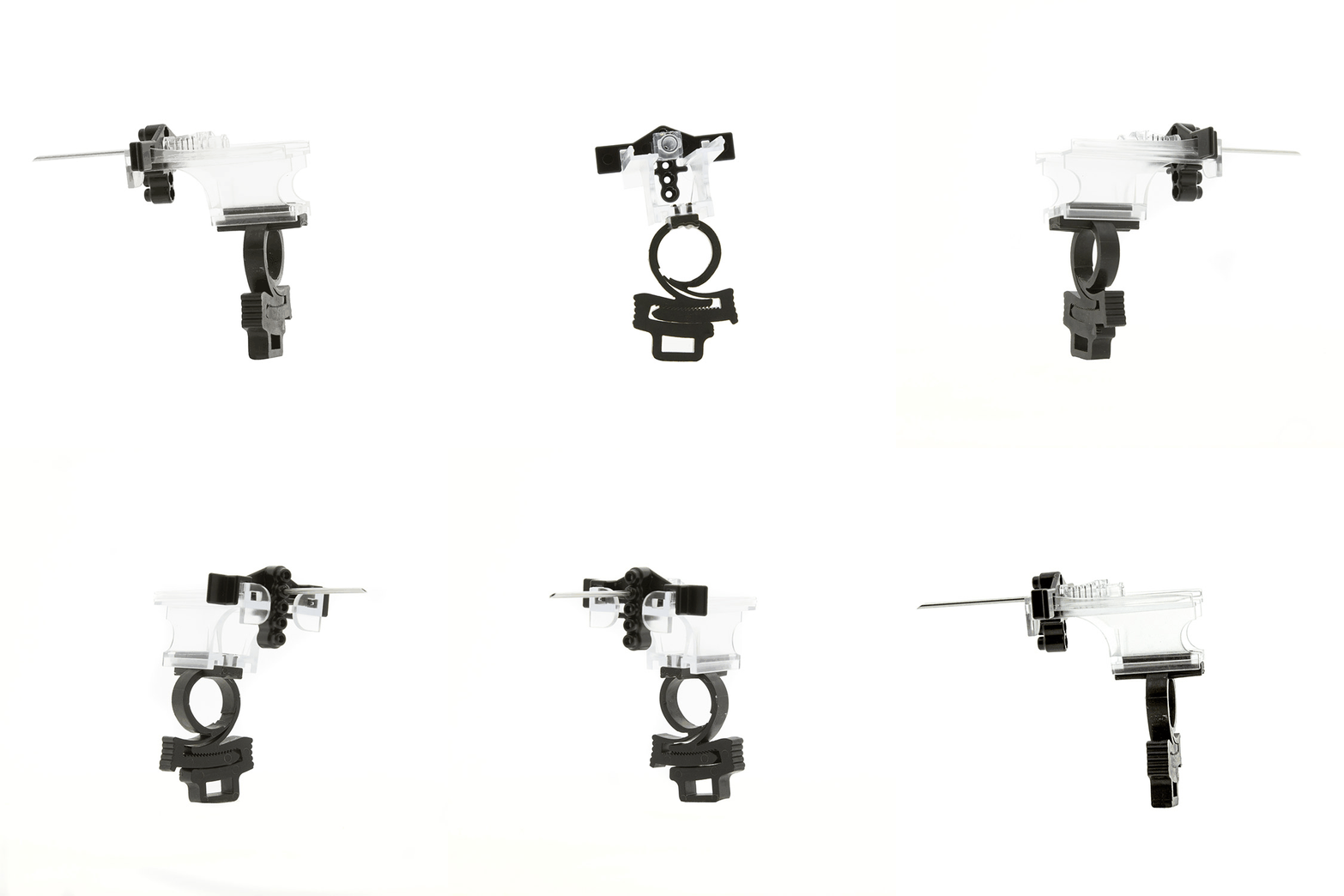
Early and accurate detection of prostate cancer is proven to widen the available treatment options to patients, improving outcomes whilst reducing potential adverse side-effects.
Yet, TRUS biopsy has a high risk of infection, including patients given prophylaxis medication. In a recent study, 7 of 564 patients who received TRUS were admitted to the hospital for infection within the first 7 days, compared to 1 of 562 patients for LATP. At 4 months, 13 patients who received TRUS had required hospital admission, compared to 6 patients who had received LATP1. The alternative transperineal or template (TP) biopsy has, in the past, typically only been available to men at greater risk of infection from certain medical conditions, and had to be done under general anaesthetic because of the need for multiple biopsy punctures
The PrecisionPoint™ Transperineal Access System is now revolutionising the methodology for obtaining prostate biopsies. Not only does it take full advantage of the transperineal path, decreasing risk of infections, it allows for more thorough sampling of all regions of the prostate including those difficult to access with the transrectal approach2.
PrecisionPoint™ provides a free-hand experience for HCP to operate in local anaesthetic settings, potentially aiding hospitals with limited resources.
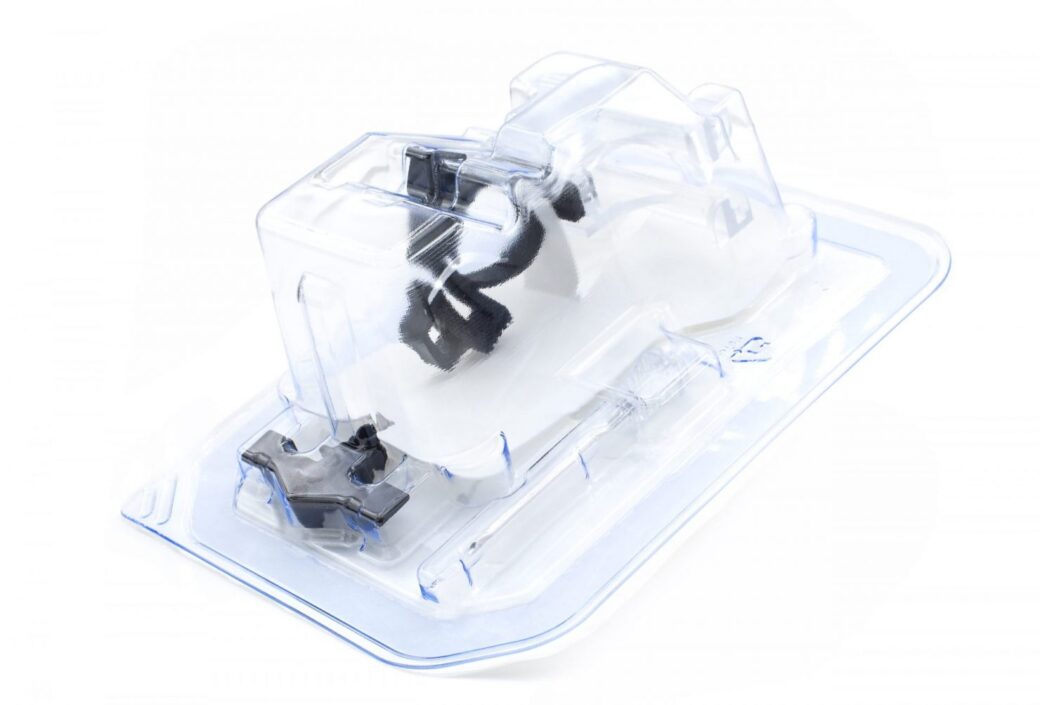
By passing the biopsy needle through the perineum instead of the rectum, the risks associated with the transrectal approach are reduced. The practitioner is not restricted to biopsy locations dictated by a grid configuration, since the technique is freehand. The practitioner can freely manoeuvre the ultrasound probe to align the access needle to target the desired locations with certainty for targeted and systematic biopsies.
PrecisionPoint™ represents a novel approach for urologist to obtain samples in difficult areas of the prostate5 compared to TRUS procedures, through it’s ability to systematically allow access to the whole of the gland.
BXTA is working with leading urologists, clinical nurse specialists and thought leaders in the field of prostate cancer diagnosis to eradicate TRUS biopsy, in favour of LATP as the new standard of care.
We have established regional centres of clinical excellence across Europe, Australia and New Zealand, as part of an international training programme designed to increase the number of consultants, registrars and clinical nurse specialists skilled in this new advanced prostate biopsy technique.
References